kidney Transplant
A kidney transplant is a surgery to place a healthy kidney from a living or deceased donor into a person whose kidneys no longer function properly.
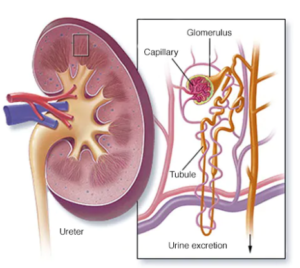
The kidneys are two bean-shaped organs located on each side of the spine just below the rib cage. Each is about the size of a fist. Their main function is to filter and remove waste, minerals and fluid from the blood by producing urine.
When kidneys lose this filtering ability, harmful levels of fluid and waste accumulate in the body, which can raise blood pressure and result in kidney failure (end-stage renal disease). End-stage renal disease occurs when the kidneys have lost about 90% of their ability to function normally. End-stage renal disease occurs when the kidneys have lost about 90% of their ability to function normally.
Causes:-
1-Diabetes
2-Chronic, uncontrolled high blood pressure
3-Chronic glomerulonephritis — an inflammation and eventual scarring of the tiny filters within the 4-kidneys
5-Polycystic kidney disease
People with end-stage renal disease need to have waste removed from their bloodstream via a machine (dialysis) or a kidney transplant to stay alive.
At Mayo Clinic, health care professionals trained in many medical specialties work together as a team to ensure favorable outcomes from your kidney transplant.
Having all of this subspecialized expertise in a single place, focused on you, means that you’re not just getting one opinion your care is discussed among the team, your test results are available quickly, appointments are scheduled in coordination, and your transplant care team works together to determine what’s best for you.
Types:-
1-Deceased-donor kidney transplant
2-Living-donor kidney transplant
3-Preemptive kidney transplant
Risks:-
Kidney transplantation can treat advanced kidney disease and kidney failure, but the surgery isn’t a cure. Some forms of kidney disease may return after a transplant.
The health risks associated with a kidney transplant include those associated directly with the surgery and rejection of the donor organ. Risks also include the side effects of taking anti-rejection medications (immunosuppressants) needed to prevent the body from rejecting the donated kidney.
Deciding whether a kidney transplant is right for you is a personal decision that deserves careful thought and consideration of the serious risks and benefits. Talk through your decision with your family, friends and other trusted advisers.
Complications:-
1-Blood clots and bleeding
2-Leaking from or blockage of the tube that links the kidney to the bladder (ureter)
3-Infection
4-Failure or rejection of the donated kidney
5-An infection or cancer that can be passed on from the donated kidney
6-Death, heart attack and stroke
Anti-rejection medication side effects:-
1-Bone thinning and bone damage
2-Diabetes
3-Excessive hair growth or hair loss
4-High blood pressure
5-High cholesterol
6-Increased risk of cancer, particularly skin cancer and lymphoma
7-Infection
8-Puffiness
9-Weight gain
10-Acne