
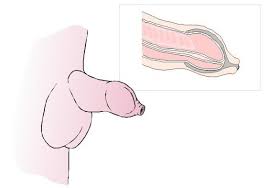
 Phimosis is normal in small babies and in toddlers. But in older children it may be the result of a skin condition that has caused scarring. It is not usually a problem unless it causes any symptoms.
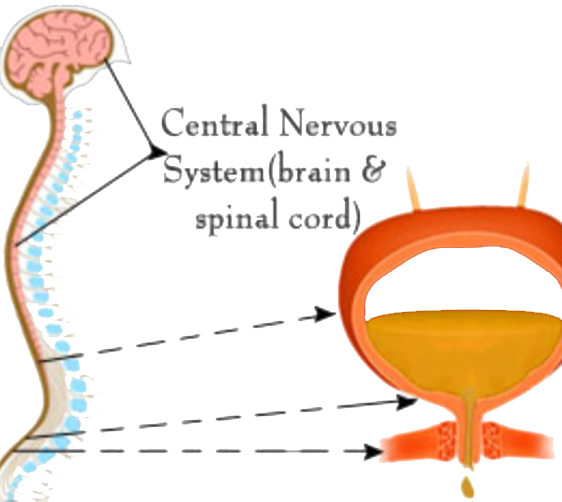
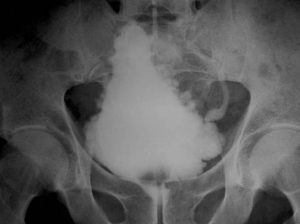
Neurogenic bladder is bladder dysfunction, It may be flaccid or spastic. It is caused by neurologic damage.
Symptoms can include: Overflow incontinence,
Frequency,
Urgency,
Urge incontinence,
Retention of Urine.
Risk of serious complications
Recurrent infection,
Vesicoureteral reflux,
Autonomic dysreflexia.
Diagnosis:
imaging and cystoscopy or urodynamic testing.
Treatment:
catheterization or measures to trigger urination.


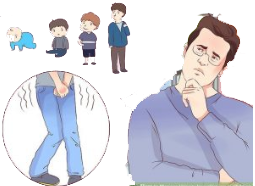

Urinary incontinence:
Involuntary voiding of urine ≥ 2 times/mo during the day or night is called incontinence.
In primary incontinence, children have never achieved urinary continence for ≥ 6 months.
In secondary incontinence, children have developed incontinence after a period of at least 6 months of urinary control.

 It is the combination of three separate problems:

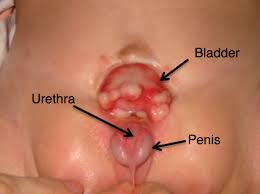
Skin over the lower abdominal wall (bottom part of the tummy) does not form properly. The bladder is open and exposed on the outside of the lower abdomen.


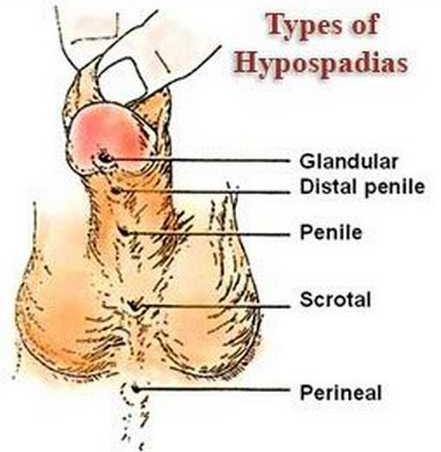
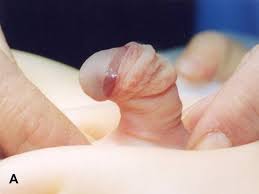
Epispadias is the rare congenital abnormality. It involves the opening of the urethra (the tube from which urine exit the bladder). In boys with epispadias, the urethra opens in top of the penis rather than its tip.


 Treatment
The treatment of chordee is surgery in infancy. Especially by a pediatric urologist, With chordees caused by circumcision, the preferred method of surgical treatment in chordee is a z-plasty. The preferred time for surgery of chordee is between the ages of 6 and 18 months and correction is usually successful.